


Recognizing the Symptoms of Colon Cancer in Peoria, AZ: What You Need to Know
Identifying the early warning signs of colon cancer—such as persistent changes in bowel habits, unexplained weight loss, rectal bleeding, or chronic abdominal pain—is critical for timely intervention. For residents of Peoria, AZ, and surrounding communities, the board-certified specialists at Phoenix Unified Surgeons are here to provide personalized evaluation and guidance. For more information, contact us or request an appointment online. We are conveniently located at 20333 N 19th Avenue, Ste 230 Phoenix, AZ 85027.
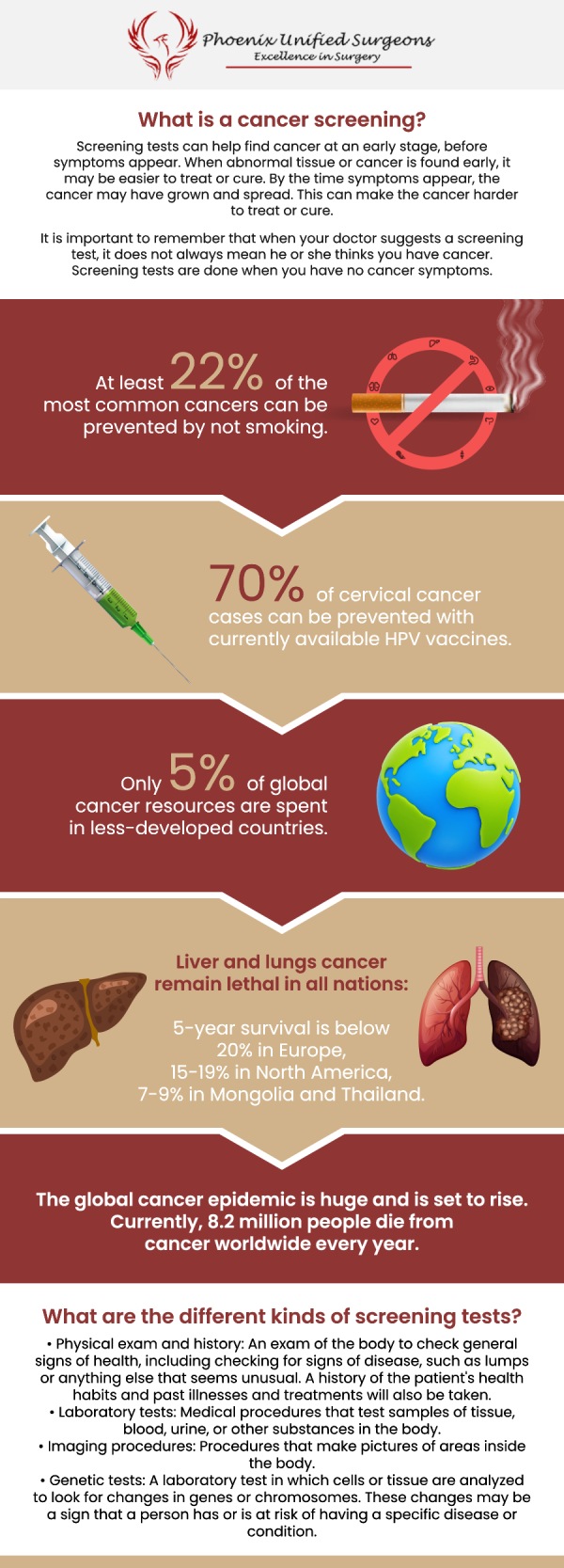
Table of Contents:
How can colon cancer symptoms differ from common digestive issues?
What screenings can help identify colon cancer at an early stage?
How do specialists evaluate concerns related to possible colon cancer?
What risk factors may increase the likelihood of developing colon cancer?
How can the team at Phoenix Unified Surgeons guide Peoria, AZ patients through colon cancer symptom evaluation?
At Phoenix Unified Surgeons, we understand that colon cancer symptoms can sometimes mimic common digestive issues, making it challenging to know when to seek specialized care. Conditions like irritable bowel syndrome, indigestion, or minor infections often cause mild, intermittent discomfort. In contrast, colon cancer symptoms are typically more persistent and progressive.
For example, if you experience new or unexplained changes in your bowel habits—such as diarrhea or constipation lasting longer than a few weeks—it’s important not to ignore these signs. Unlike routine digestive issues, these changes can signal something more serious, especially when they do not resolve on their own.
Another key difference is the presence of blood in the stool. While occasional minor rectal bleeding can occur with benign conditions, colon cancer is more likely to cause persistent or recurrent bleeding. This may appear as bright red blood or cause stools to look dark and tarry. Additionally, symptoms such as unexplained weight loss and persistent fatigue are less typical of common digestive problems but can occur with colon cancer due to chronic blood loss and the body’s response to cancer.
Abdominal pain or cramping associated with colon cancer is often more severe and does not respond to over-the-counter remedies. You might also notice a sensation that your bowel does not empty completely after a bowel movement, or your doctor may detect unexplained anemia during blood tests—both of which warrant further evaluation.
If you or a loved one are experiencing ongoing, worsening symptoms—especially when accompanied by unexplained weight loss, persistent bleeding, or significant fatigue—we encourage you to contact Phoenix Unified Surgeons promptly. Our team specializes in the diagnosis and treatment of colon cancer, and early detection can make a significant difference in your treatment outcomes.
At Phoenix Unified Surgeons, we are committed to improving patient outcomes through the early detection and treatment of colon cancer. Early identification of colon cancer significantly increases the chances of successful treatment, and our clinic offers several advanced screening options to help detect this disease before symptoms appear.
Colonoscopy – The Gold Standard: The most widely recommended screening method is a colonoscopy. At Phoenix Unified Surgeons, our experienced surgical team performs colonoscopies using state-of-the-art equipment. During this procedure, a flexible tube with a camera is used to examine the entire colon and rectum for polyps or abnormal growths. If any suspicious areas are found, our surgeons can remove polyps or take biopsies during the same visit, minimizing the need for additional procedures.
Stool-Based Tests: Phoenix Unified Surgeons also offers guidance on non-invasive stool-based tests, such as the fecal immunochemical test (FIT), the guaiac-based fecal occult blood test (gFOBT), and stool DNA tests like Cologuard. These tests can detect hidden blood or genetic markers associated with colon cancer and are often recommended for patients at average risk who prefer non-invasive options.
Personalized Screening Plans: The right screening method depends on your individual risk factors, age, medical history, and preferences. During your consultation at Phoenix Unified Surgeons, our providers will work closely with you to determine the most appropriate screening schedule and method. Regular screening is key to catching colon cancer early, when it is most treatable.
At Phoenix Unified Surgeons, our experienced team is committed to providing comprehensive and compassionate care for patients with concerns about colon cancer. When you come to our practice, your evaluation begins with a detailed review of your medical history. Our surgeons will discuss your symptoms—such as changes in bowel habits, blood in the stool, unexplained weight loss, abdominal pain, or fatigue—and will ask about your family history of colon cancer or polyps, as well as any other risk factors, including inflammatory bowel disease or genetic conditions.
A personalized physical examination is performed, which may include a digital rectal exam to check for abnormalities. Based on your unique history and current symptoms, our surgeons will recommend the most appropriate diagnostic tests. One of the primary tools we use at Phoenix Unified Surgeons is colonoscopy. This minimally invasive procedure allows our surgeons to visually examine your entire colon using a flexible camera. If any polyps or suspicious lesions are discovered, our team can remove them or take biopsies right during the procedure for further analysis.
In some situations, we may recommend less invasive screening options, such as a fecal occult blood test or a fecal immunochemical test, to detect hidden blood in your stool. If necessary, advanced imaging studies like CT colonography (virtual colonoscopy) or abdominal CT scans can be arranged through our practice to provide further evaluation, especially if a tumor is suspected or if a standard colonoscopy is not possible.
Our surgeons may also order blood tests to check for anemia or tumor markers such as carcinoembryonic antigen (CEA), which can provide additional information about your health but are not used alone for diagnosis. If colon cancer is diagnosed, we coordinate additional imaging and staging studies to determine the extent of the disease and guide your treatment plan.
Throughout your care at Phoenix Unified Surgeons, clear communication is a priority. Our surgical team will explain the purpose of each test, review your results with you, and discuss the next steps in your evaluation and treatment. We are dedicated to ensuring that any concerns about colon cancer are addressed promptly, accurately, and with the highest level of surgical expertise.
At Phoenix Unified Surgeons, we believe that understanding your risk factors is an essential step in preventing and detecting colon cancer early. Several important factors can increase the likelihood of developing colon cancer. Age is a significant consideration—most cases are diagnosed in individuals over 50. If you have a personal or family history of colon cancer or colorectal polyps, or if you have inherited genetic conditions such as familial adenomatous polyposis (FAP) or Lynch syndrome, your risk may be higher. Chronic inflammatory diseases of the colon, like ulcerative colitis and Crohn’s disease, can also elevate your risk.
Your lifestyle choices matter, too. Diets low in fiber and high in red or processed meats have been linked to greater incidence of colon cancer. Other modifiable risk factors include physical inactivity, obesity, smoking, and heavy alcohol consumption. Additionally, individuals with type 2 diabetes may face an increased risk.
At Phoenix Unified Surgeons, our team is committed to providing comprehensive care, including risk assessment, education, and advanced screening options for colon cancer. By understanding these risk factors, you and your healthcare providers can take proactive steps to reduce your risk and promote long-term colon health. If you have concerns or questions about your risk factors or screening options, our specialists are here to help guide you every step of the way.
At Phoenix Unified Surgeons, Dr. Debora J. Fox-McClary, M.D., MBA, FACS, FASCRS and her compassionate team is dedicated to providing comprehensive evaluation and support for patients in Peoria, AZ who are experiencing symptoms potentially related to colon cancer. If you notice unexplained changes in your bowel habits, persistent abdominal discomfort, rectal bleeding, or significant, unexplained weight loss, our experienced surgeons are here to help.
We begin each consultation with a detailed medical history and physical examination to understand your unique health background and individual risk factors. Our team then explains any recommended diagnostic tests—such as colonoscopy, advanced imaging, or laboratory studies—ensuring you know why each step is important and what you can expect throughout the process.
By combining state-of-the-art diagnostic tools with compassionate, patient-centered care, Phoenix Unified Surgeons helps Peoria residents navigate colon cancer symptom evaluation with confidence and peace of mind. Your health and comfort are our top priorities as we guide you every step of the way. For more information, contact us or request an appointment online. We are conveniently located at 20333 N 19th Avenue, Ste 230 Phoenix, AZ 85027. We serve patients from Phoenix AZ, Sun City AZ, Peoria AZ, Surprise AZ, Glendale AZ, Scottsdale AZ, and surrounding areas.
Check Out Our 5 Star Reviews



Additional Services You May Need
▸ Colon & Rectal Surgery
▸ Gallbladder Surgery
▸ Colonoscopy
▸ Wound Care
▸ Hernia Repair
▸ General Surgery
▸ Robotic and Minimally Invasive Surgery
▸ Appendectomy
▸ Colon Repair/Resection
▸ Lipoma & Cyst Removal
▸ Endoscopy and Colonoscopy
▸ Abdominal Pain
▸ Colon surgery for Diverticulitis
▸ Colon surgery for Colon Cancer
▸ Hemorrhoids
▸ Anal Fistulas
▸ Anal Pain Surgeries
▸ Colostomy Avoidance Surgery
▸ Fecal Incontinence Surgery
▸ Crohn’s Surgery
▸ Ulcerative Colitis Surgery
▸ TIF Procedure
▸ Colon Fistulas
▸ Groin Hernia
▸ Inguinal Hernias
▸ Hiatal Hernia
▸ Colon-Bladder Fistulas
▸ Colon Diverticulitis
▸ Hiatal Hernia Surgeon
▸ Gastroesophageal Reflux Disease
▸ Colon and Rectal Cancer Surgical Management
▸ Incisional Hernia
▸ Giant Hernias
▸ Skin Cancer
▸ Breast Cancer Screening
▸ Open and Nonhealing Wounds
▸ Incisionless Hiatal Hernia Repair
▸ Lipomas and Common Skin Growths
▸ Surgical Second Opinions
▸ Feeding Tube Access Including PEGs and G Tubes
▸ Upper GI Endoscopy Care
▸ Board-Certified General Surgeons, Colon and Rectal Surgeons
▸ Colon and Rectal Surgeon vs. Gastroenterologist
▸ Colon-Vaginal Fistulas
▸ Port Placements for IV Access
▸ Colostomy Reversal
▸ Abdominal Wall Hernia


 Send Text
 How May I Help You?