


What are the Stages of Colon Cancer?
Understanding your stage is vital to choosing the right treatment, and Dr. Debora Fox-McClary brings extensive experience in managing colon cancer from Stage 0 through Stage IV. She utilizes a multi-specialty approach to perform precise resections that are tailored to the cancer’s progression. Dr. Fox-McClary’s focus on “colostomy avoidance” and minimally invasive techniques helps patients navigate their specific stage with greater comfort and significantly shorter recovery times. Please contact us or book your appointment online. Our office is conveniently located at 20333 N 19th Avenue, Ste 230 Phoenix, AZ 85027.
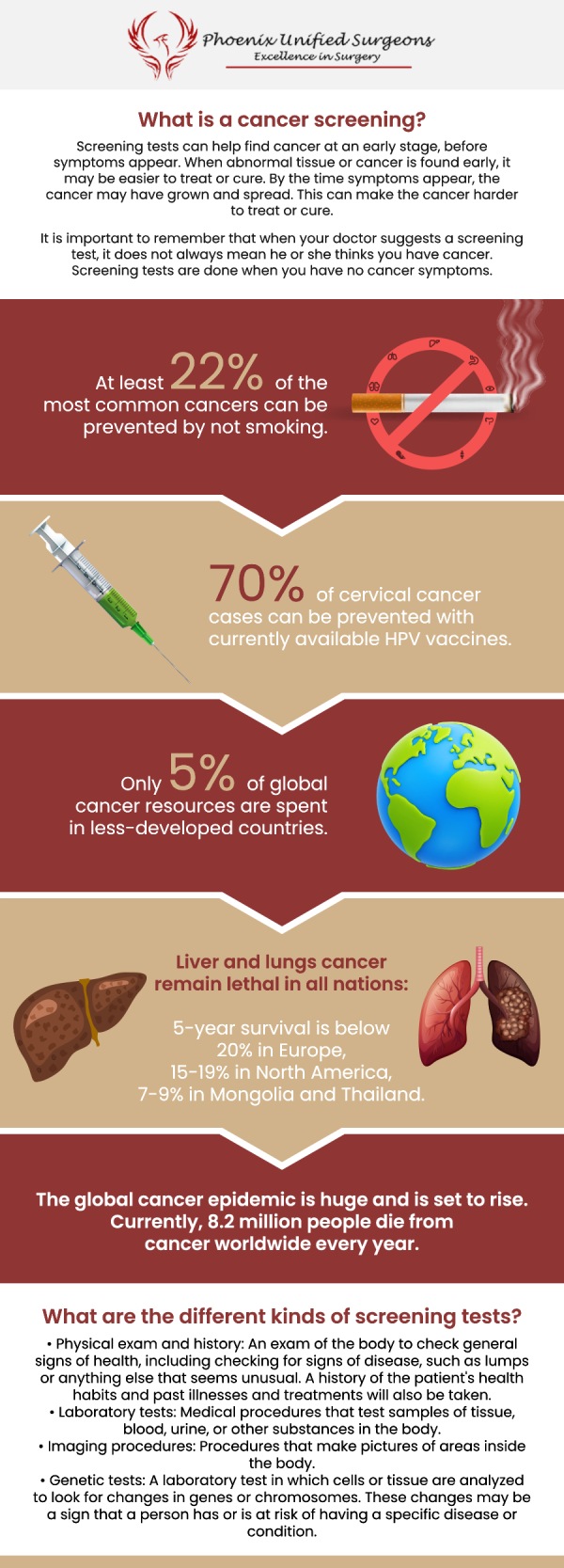
Table of Contents:
How quickly does colon cancer progress through stages?
How deep can colon cancer spread through the colon wall?
Why is colon cancer staging important for treatment planning?
What risk factors may increase the chance of colon cancer?
Guiding Your Recovery: How Phoenix Unified Surgeons Support Every Step of Colon Cancer Treatment
At Phoenix Unified Surgeons, we are dedicated to providing comprehensive care for patients at risk for or diagnosed with colon cancer. Colon cancer typically develops slowly, often beginning as a small, noncancerous growth called a polyp on the inner lining of the colon or rectum. Over time, some polyps can become cancerous. The progression from a benign polyp to invasive cancer is generally a gradual process, sometimes taking 10 to 15 years. Our surgical team specializes in identifying and managing these conditions at every stage.
Stages of Colon Cancer and the Role of Surgery: Colon cancer is classified into four main stages. In the earliest stage (stage 0 or carcinoma in situ), abnormal cells are limited to the innermost lining of the colon. As the disease advances to stages I and II, cancer grows through the layers of the colon wall and may invade nearby tissues. By stage III, cancer has spread to nearby lymph nodes, and in stage IV, it has metastasized to distant organs such as the liver or lungs.
At Phoenix Unified Surgeons, our board-certified surgeons are highly experienced in treating colon cancer across all stages. We use the latest surgical techniques—including minimally invasive and laparoscopic procedures—tailored to each patient’s unique needs and condition. For early-stage cancers or advanced disease, timely intervention can make a significant difference in outcomes and quality of life.
Why Timely Screening and Intervention Matter: The speed at which colon cancer progresses varies from person to person, depending on factors such as tumor biology, genetic mutations (such as MSI-high or Lynch syndrome), and overall health. While some cancers grow slowly, others may advance rapidly. Left untreated, colon cancer can progress from early to advanced stages over several years, but aggressive forms can develop much faster.
This underscores the importance of early detection. Regular screening, especially colonoscopy, allows for the removal of precancerous polyps and the identification of cancer at a stage when it is most treatable. If you have risk factors for colon cancer or are experiencing symptoms like rectal bleeding, changes in bowel habits, or unexplained weight loss, our team at Phoenix Unified Surgeons is here to provide timely evaluation and expert care.
At Phoenix Unified Surgeons, we understand that a colon cancer diagnosis can be overwhelming. Colon cancer begins in the innermost lining of the colon, known as the mucosa. As the disease progresses, it can grow deeper through the layers of the colon wall, including the mucosa, submucosa, muscularis propria, subserosa, and the serosa (the outermost layer).
Early-stage colon cancer remains confined to the mucosa, but as it advances, it may invade the submucosa and eventually the muscularis propria, the muscle layer responsible for moving the contents of the colon. In more advanced cases, cancer can penetrate the subserosa and serosa, potentially spreading to nearby organs such as the bladder or abdominal wall. It may also reach lymph nodes or distant areas of the body through metastasis.
Our experienced surgical team specializes in evaluating the depth and extent of colon cancer. We use advanced diagnostic imaging and minimally invasive surgical techniques to accurately stage the disease and develop personalized treatment plans. The depth to which colon cancer penetrates the colon wall is a key factor in determining both treatment options and prognosis.
Our goal is early detection and effective surgical management. When colon cancer is identified at an early stage—before it has penetrated deeply or spread—patients typically have a better outcome. We are committed to providing comprehensive care, from diagnosis to recovery, ensuring the best possible results for our patients.
At Phoenix Unified Surgeons, colon cancer staging is a cornerstone of our treatment approach. Our experienced surgical team uses the latest diagnostic tools to determine how far the cancer has spread within the colon, to nearby lymph nodes, or to other parts of the body. This crucial information allows our surgeons to design a personalized treatment plan that is both effective and tailored to each patient’s unique needs.
For patients with early-stage colon cancer, our surgeons may recommend minimally invasive procedures to remove the tumor, often eliminating the need for additional therapies. In cases where the cancer is more advanced, we work closely with a multidisciplinary team to coordinate chemotherapy, radiation, or targeted therapies as needed. By accurately staging colon cancer, we can better assess the chances for a cure, estimate prognosis, and determine whether further treatments are necessary after surgery to reduce the risk of recurrence.
Our commitment to precise staging ensures that patients at Phoenix Unified Surgeons receive the right level of care—avoiding both overtreatment and undertreatment. This patient-centered approach helps maximize outcomes, minimize side effects, and provide peace of mind throughout your cancer journey.
Several factors can increase the likelihood of developing colon cancer. Age is a significant consideration, with the risk rising sharply after age 50. A personal or family history of colon cancer or colon polyps—especially in close relatives—also heightens your risk. Certain genetic syndromes, such as familial adenomatous polyposis (FAP) and Lynch syndrome, can greatly increase your chances of developing colon cancer.
Lifestyle choices play a critical role as well. Diets high in red or processed meats and low in fiber, fruits, and vegetables are linked to a higher risk. Physical inactivity, obesity, smoking, and excessive alcohol use further contribute to colon cancer risk. Additionally, individuals with chronic inflammatory bowel diseases like ulcerative colitis or Crohn’s disease, as well as those with type 2 diabetes, may be at increased risk.
Our team emphasizes the importance of understanding these risk factors. By recognizing your individual risk profile, we can recommend appropriate preventive strategies and screening options, such as colonoscopy, to detect colon cancer early—when treatment is most effective.
Understanding the stages of colon cancer is the first step toward effective treatment, and at Phoenix Unified Surgeons, our board-certified surgeons are dedicated to guiding you through each phase. From early-stage localized tumors to more advanced cases, Dr. J. Brian Brizendine, Dr. Debora Fox-McClary, and Dr. Antonino S. Cammarata provide tailored surgical solutions.
Our facility specializes in robotic and minimally invasive resection, ensuring that even complex surgeries are performed with high precision and smaller incisions. By integrating advanced techniques like endoscopy and colostomy avoidance surgery, we prioritize not only the elimination of cancer as well as the restoration of normal function. At Phoenix Unified Surgeons, we combine clinical expertise with a compassionate, patient-centered approach to guarantee you receive the most appropriate care tailored to your specific diagnosis.
If you have concerns about your colon cancer risk or have a family history of the disease, schedule a consultation with Phoenix Unified Surgeons. Together, we can develop a personalized plan to safeguard your digestive health. Please contact us for more details. Our office is conveniently located at 20333 N 19th Avenue, Ste 230 Phoenix, AZ 85027. We serve patients from Phoenix AZ, Sun City AZ, Peoria AZ, Surprise AZ, Glendale AZ, Scottsdale AZ, and surrounding areas.
Check Out Our 5 Star Reviews



Additional Services You May Need
▸ Colon & Rectal Surgery
▸ Gallbladder Surgery
▸ Colonoscopy
▸ Wound Care
▸ Hernia Repair
▸ General Surgery
▸ Robotic and Minimally Invasive Surgery
▸ Appendectomy
▸ Colon Repair/Resection
▸ Lipoma & Cyst Removal
▸ Endoscopy and Colonoscopy
▸ Abdominal Pain
▸ Colon surgery for Diverticulitis
▸ Colon surgery for Colon Cancer
▸ Hemorrhoids
▸ Anal Fistulas
▸ Anal Pain Surgeries
▸ Colostomy Avoidance Surgery
▸ Fecal Incontinence Surgery
▸ Crohn’s Surgery
▸ Ulcerative Colitis Surgery
▸ TIF Procedure
▸ Colon Fistulas
▸ Groin Hernia
▸ Inguinal Hernias
▸ Hiatal Hernia
▸ Colon-Bladder Fistulas
▸ Colon Diverticulitis
▸ Hiatal Hernia Surgeon
▸ Gastroesophageal Reflux Disease
▸ Colon and Rectal Cancer Surgical Management
▸ Incisional Hernia
▸ Giant Hernias
▸ Skin Cancer
▸ Breast Cancer Screening
▸ Open and Nonhealing Wounds
▸ Incisionless Hiatal Hernia Repair
▸ Lipomas and Common Skin Growths
▸ Surgical Second Opinions
▸ Feeding Tube Access Including PEGs and G Tubes
▸ Upper GI Endoscopy Care
▸ Board-Certified General Surgeons, Colon and Rectal Surgeons
▸ Colon and Rectal Surgeon vs. Gastroenterologist
▸ Colon-Vaginal Fistulas
▸ Port Placements for IV Access
▸ Colostomy Reversal
▸ Abdominal Wall Hernia


 Send Text
 How May I Help You?